NEURAL X CIPHER official logo
// ARCHITECTURAL RESEARCH & ENGINEERING NOTES

Flutter, AI & Backend Engineering Blog: Technical Breakdowns from Our Production Codebases.

Authored by Principal Architect Abrar Ali (ORCID: 0009-0000-5688-0631). Every article distills real patterns from our open-source SDKs, AI RAG pipelines, and shipped client applications.

Engineering Sub-Second WebRTC Voice Party Rooms & Live Bidding Marketplaces in Flutter
Realtime & WebRTC
Featured8 min read
INSIGHT-01 // REALTIME & WEBRTC • Published 2026-11-10

Engineering Sub-Second WebRTC Voice Party Rooms & Live Bidding Marketplaces in Flutter

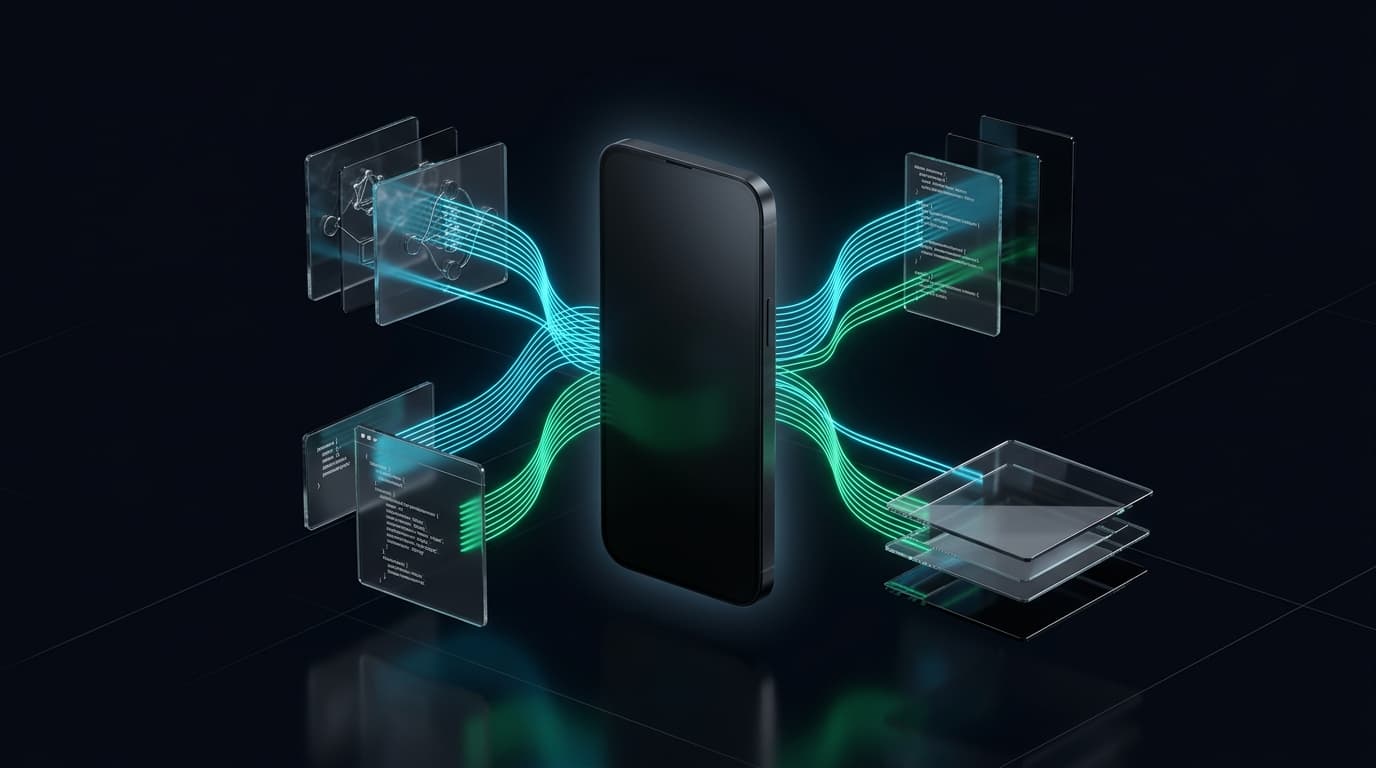
High-concurrency real-time mobile applications—such as multi-seat voice party rooms (YO3 Party Live, Vola Party) and live bidding marketplaces (BidToBill)—require separating the low-latency UDP/WebRTC media plane from the transactional WebSocket signaling plane, bounding full-screen Lottie/Rive gift animations in a FIFO recycle pool, and enforcing server-authoritative transactional locks on wallet deductions and bid acceptances.

Architecting Hallucination-Resistant RAG AI Tutors in Flutter with OpenAI & Vector Embeddings
AI & RAG Systems
Featured8 min read
INSIGHT-02 // AI & RAG SYSTEMS • Published 2026-11-10

Architecting Hallucination-Resistant RAG AI Tutors in Flutter with OpenAI & Vector Embeddings

Building a production AI tutoring app in Flutter requires four architectural safeguards: (1) a backend Retrieval-Augmented Generation (RAG) vector pipeline that grounds LLM prompts in verified curriculum chunks; (2) authenticated Server-Sent Events (SSE) token streaming so students see answers start in under 1 second; (3) frame-debounced UI state updates wrapped in RepaintBoundary widgets to maintain 60fps during live Markdown rendering; and (4) sliding-window memory summarization to bound token costs.

Inside shopify_pro_sdk: Engineering a Two-Tier Cached GraphQL Client for Headless Commerce in Dart 3
Flutter & SDK Engineering
Featured9 min read
INSIGHT-03 // FLUTTER & SDK ENGINEERING • Published 2026-11-10

Inside shopify_pro_sdk: Engineering a Two-Tier Cached GraphQL Client for Headless Commerce in Dart 3

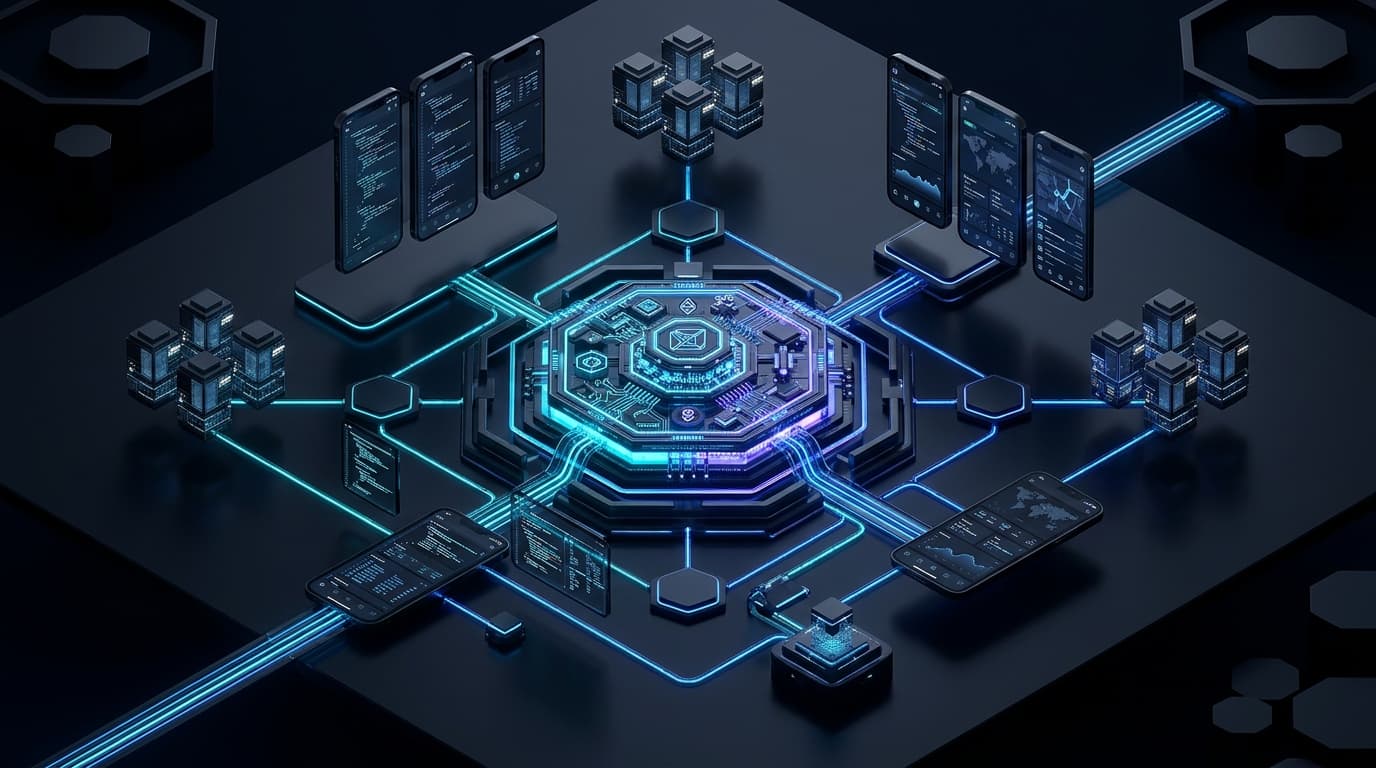
To achieve sub-300ms catalog browsing in headless Shopify Flutter apps without suffering transitive dependency conflicts, shopify_pro_sdk implements a custom GraphQL client directly over package:http, pairs an in-memory LRU cache (L1) with a persistent SharedPreferences TTL cache (L2), applies exponential backoff with random jitter on 429/5xx responses, and exposes a Dart 3 sealed ShopifyException hierarchy for exhaustive compile-time error handling.

Designing Multi-Vendor Order-Splitting Engines and PostGIS Spatial Discovery in Node.js
Backend Architecture
8 min read
INSIGHT-04 // BACKEND ARCHITECTURE • Published 2026-11-10

Designing Multi-Vendor Order-Splitting Engines and PostGIS Spatial Discovery in Node.js

Multi-vendor marketplaces require a two-level order data model (ParentCheckoutOrder -> MerchantSubOrders) wrapped in an ACID database transaction so buyers pay once while each vendor fulfills independently. For hyper-local discovery, PostgreSQL with PostGIS GEOGRAPHY(Point, 4326) GiST indexes enables sub-50ms radius filtering and viewport map clustering.

Transforming Slow WooCommerce Stores into Sub-300ms Native Mobile Apps
Headless Commerce
7 min read
INSIGHT-05 // HEADLESS COMMERCE • Published 2026-11-10

Transforming Slow WooCommerce Stores into Sub-300ms Native Mobile Apps

Standard WooCommerce REST API endpoints trigger full WordPress plugin hooks on every request, resulting in 2–4 second mobile latencies. By combining REST _fields payload pruning, local stale-while-revalidate TTL caching on device, and optimistic cart state in Flutter, we reduce perceived catalog browsing latency to under 300ms—as proven in Warda Al Dava Pharmacy and DN Collection.

Why 90% of Startup MVPs Require a Rewrite (And How Our Dart 3 + Riverpod Clean Architecture Prevents It)
Flutter & SDK Engineering
8 min read
INSIGHT-06 // FLUTTER & SDK ENGINEERING • Published 2026-11-10

Why 90% of Startup MVPs Require a Rewrite (And How Our Dart 3 + Riverpod Clean Architecture Prevents It)

Startup MVPs collapse after launch when HTTP calls, JSON parsing, and business rules are written directly inside StatefulWidgets. By enforcing a pragmatic 3-layer Feature-First Clean Architecture (Presentation with Riverpod/BLoC, pure Dart Domain entities/contracts, and Data repositories with DTO mappers) alongside automated multi-viewport QA via device_preview_shot, teams can ship an MVP in 6 weeks that scales without a rewrite.